Reasonable-sounding avoidance · also called the wisdom voice
why does quitting always sound so reasonable in the moment
Reasonable-sounding avoidance is delay or quitting that arrives dressed as good judgment rather than as an urge: I should research this more, I have earned a day off, I will be smarter about it tomorrow. It is most dangerous in the second or third week of a new behavior, after the initial novelty has worn off but before the behavior has become automatic, because a calm-sounding argument to stop is hardest to tell apart from an honest one right at that point.
The version of you that wants to quit never sounds desperate. It sounds like the most sensible person in the room.
What to do about it
When the voice offering you an exception sounds unusually reasonable, treat that as the signal to act, not the invitation to reconsider.
Books that work on this
Each is a 90-day programme. Start with the first — later books assume the work in the earlier ones.
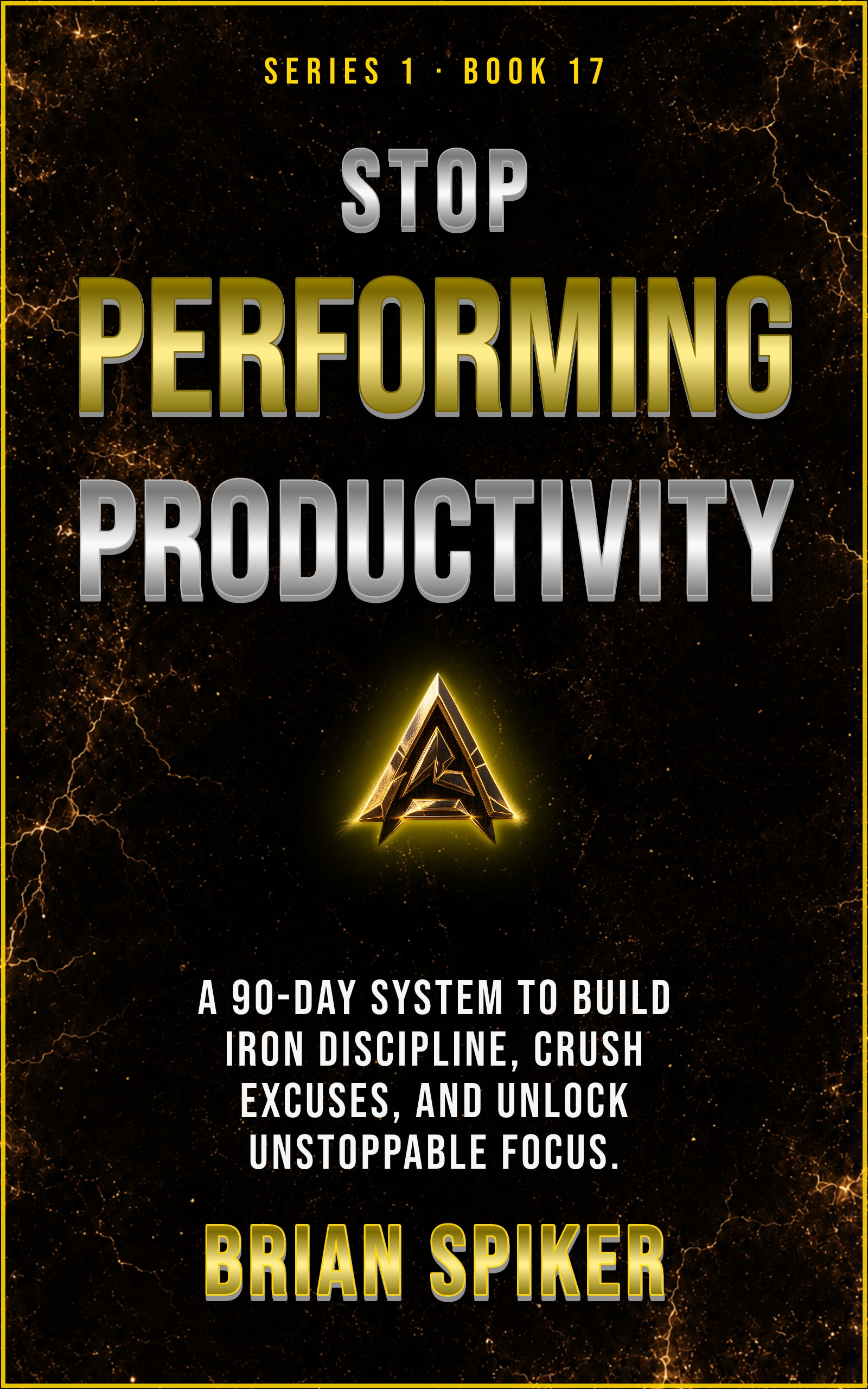 Stop Performing ProductivityComing soon
 The Hard Talk$6.99
 The Discipline Blueprint$6.99
 Discipline Over Motivation$6.99
 The Iron Routine$6.99
 Crushing Soft Habits$6.99
 The 5AM Tax$6.99
 Standards Beat Goals$6.99
Part of the Discipline series.
How people say it
Nobody looks this up by its clinical name. These are the ways it actually gets said.
- why does quitting always sound so reasonable in the moment
- I talk myself out of things using logic that sounds smart
- the second week is always when I convince myself to stop
- I gave myself a good reason to skip and now I regret it
- how do I tell the difference between rest and quitting
- my excuses always sound so rational when I am making them
- I negotiate myself out of things right when they get boring
Written by Brian Spiker, who has run Spiker Carpet and Tile Care since 2013 — the receipts. More terms in the encyclopedia.