DARVO · also called victim-blame reversal
why do I end up apologising when I was the one who got hurt
A response to being confronted in which the person Denies it happened, Attacks you for bringing it up, and Reverses the roles so they become the victim and you become the aggressor — leaving your original complaint unaddressed while you end up managing their hurt feelings instead.
You brought a complaint into the room. Somehow you left holding an apology.
What to do about it
When the flip happens, repeat your original sentence in the same words instead of defending your character, and refuse to let the conversation move to their feelings until yours has been heard.
Books that work on this
Each is a 90-day programme. Start with the first — later books assume the work in the earlier ones.
 The Connection Blueprint$6.99
 Marriage Is Job$6.99
 Stop Lying Conflict$6.99
 Friendship At Forty$6.99
 The Loneliness Problem$6.99
 Guard The Gate$6.99
 Direct Is Kinder$6.99
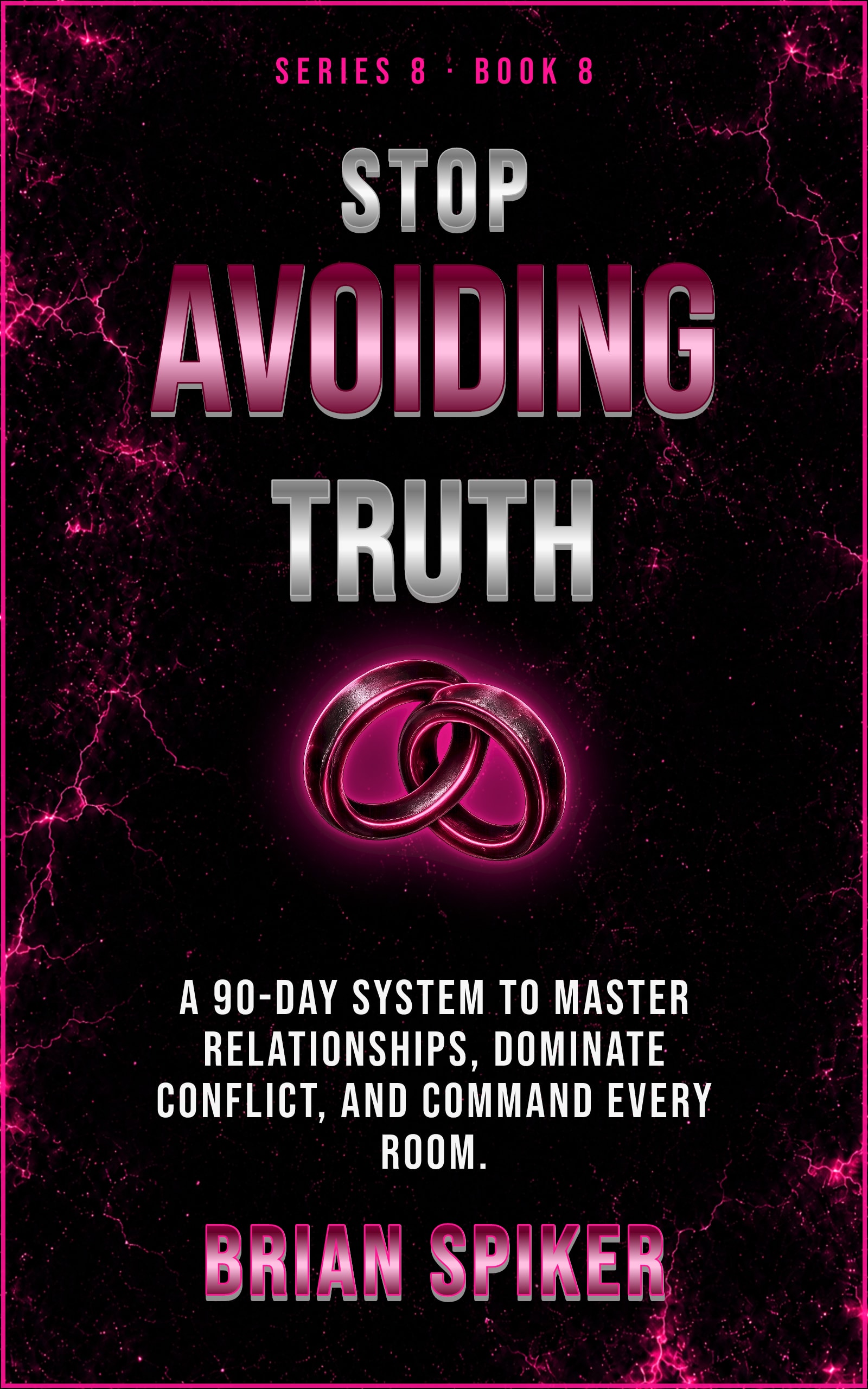 Stop Avoiding Truth$6.99
Part of the Connection series.
How people say it
Nobody looks this up by its clinical name. These are the ways it actually gets said.
- every time I bring up something they did, they turn it around on me
- why do I end up apologising when I was the one who got hurt
- they cry and suddenly I’m the bad guy
- how do I stop getting turned into the villain for speaking up
- I confront them calmly and somehow I’m on trial
- why does setting a boundary make them the victim
- they flip the story so fast I lose track of what actually happened
- how to respond when someone plays the victim after I called them out
Written by Brian Spiker, who has run Spiker Carpet and Tile Care since 2013 — the receipts. More terms in the encyclopedia.